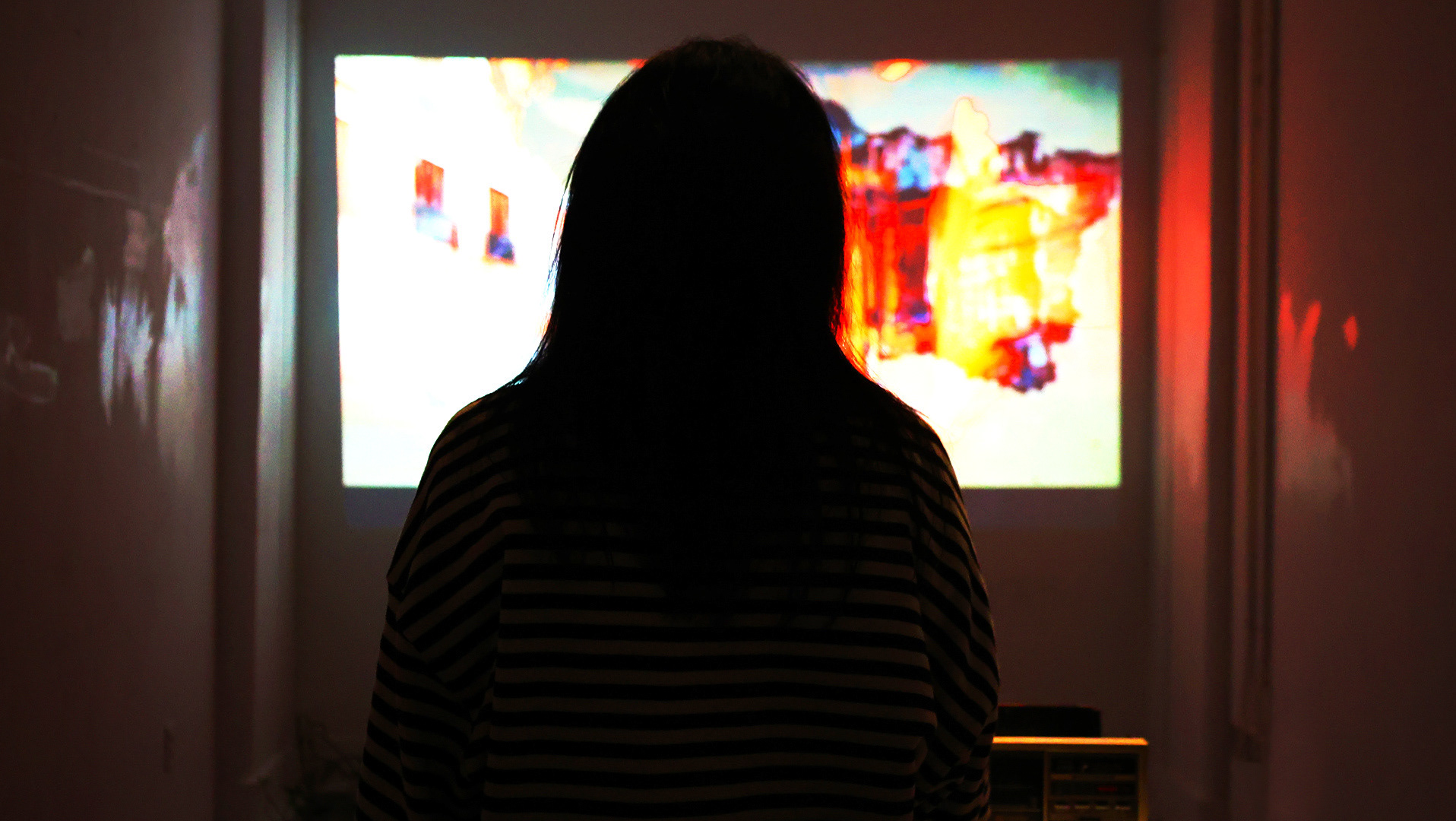
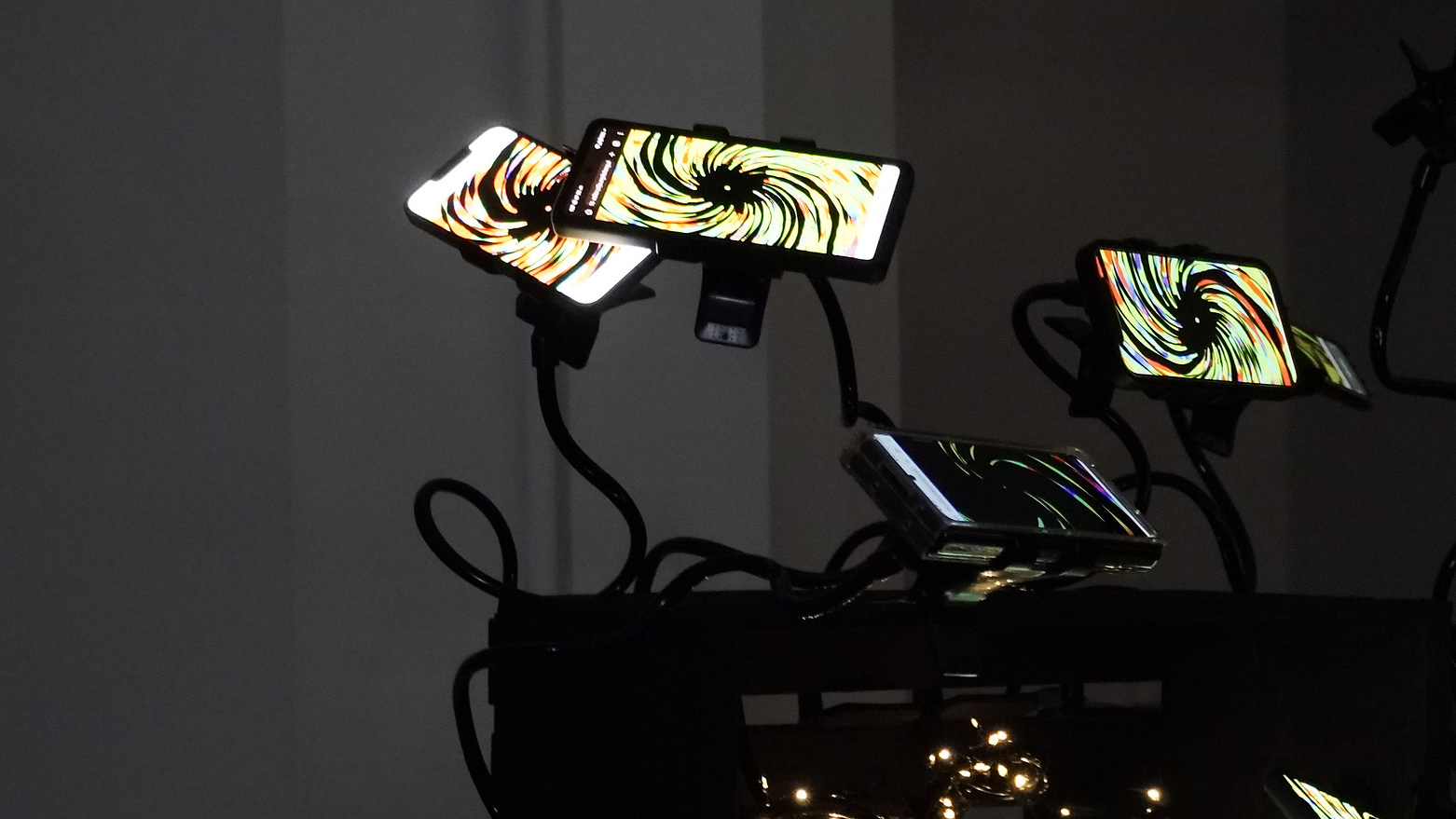
Synaptic Echoes is an interactive installation exploring how movement, touch, sound, and light can create a co-creative relationship between human bodies and a sensor-based system.
[ Role ] Experience Designer / Interaction Designer / Research-Creator
[ Tools ] TouchDesigner, Kinect, Arduino, sensors, Ableton Live
[ Medium ] Interactive installation, audiovisual system, physical computing
[ Year ] 2026
About the Work
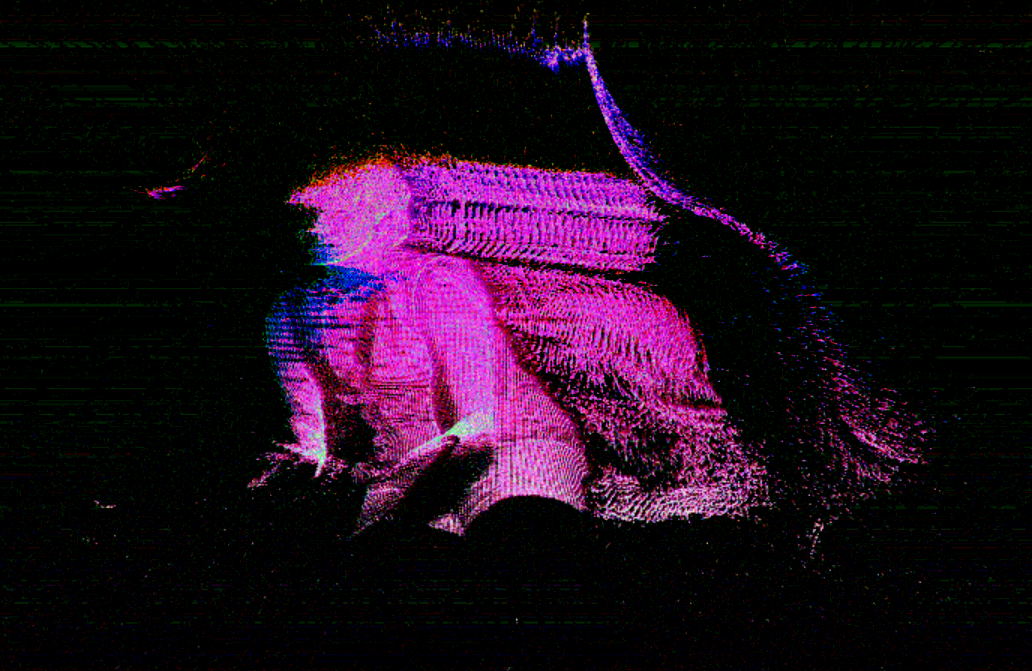
Synaptic Echoes began as an exploration of co-creation between human bodies and a technical system. I was interested in what happens when an installation does more than react — when it senses, remembers, and slowly changes through contact.
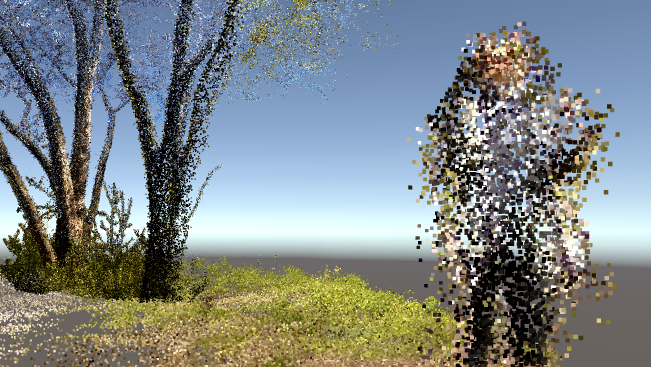
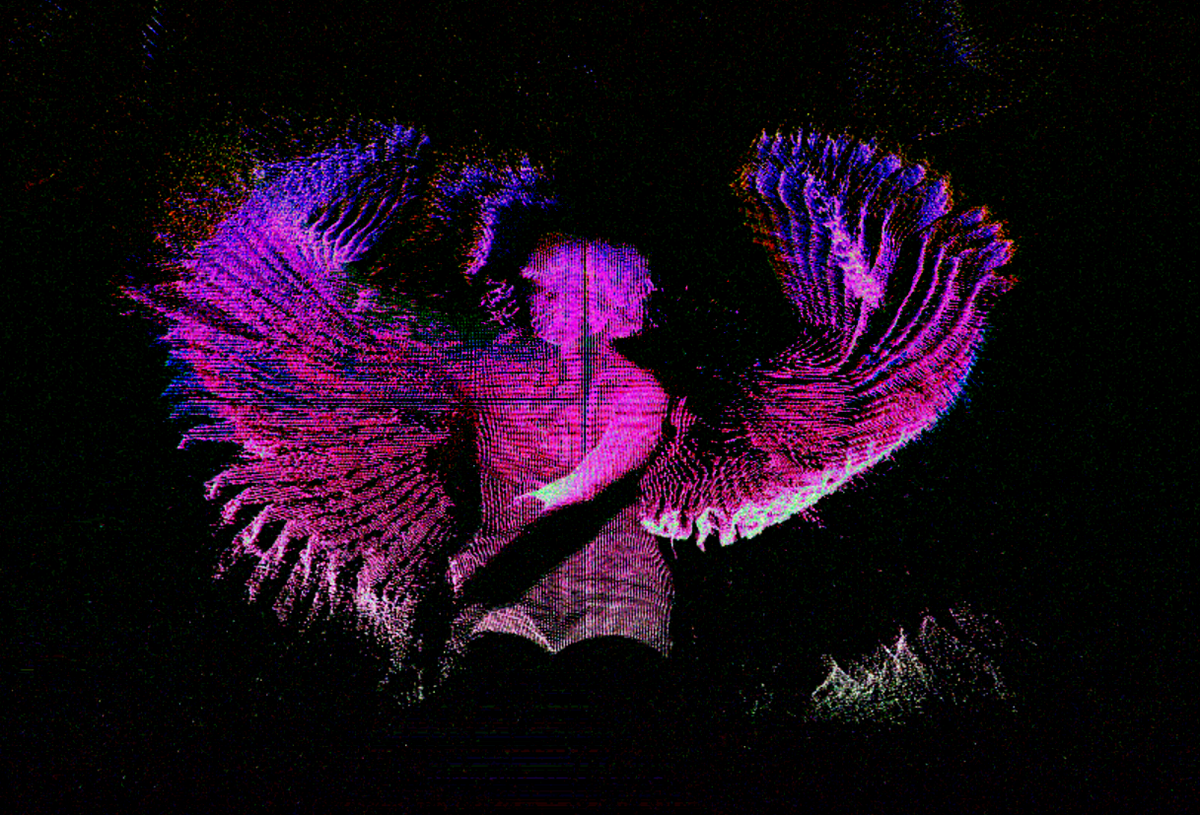
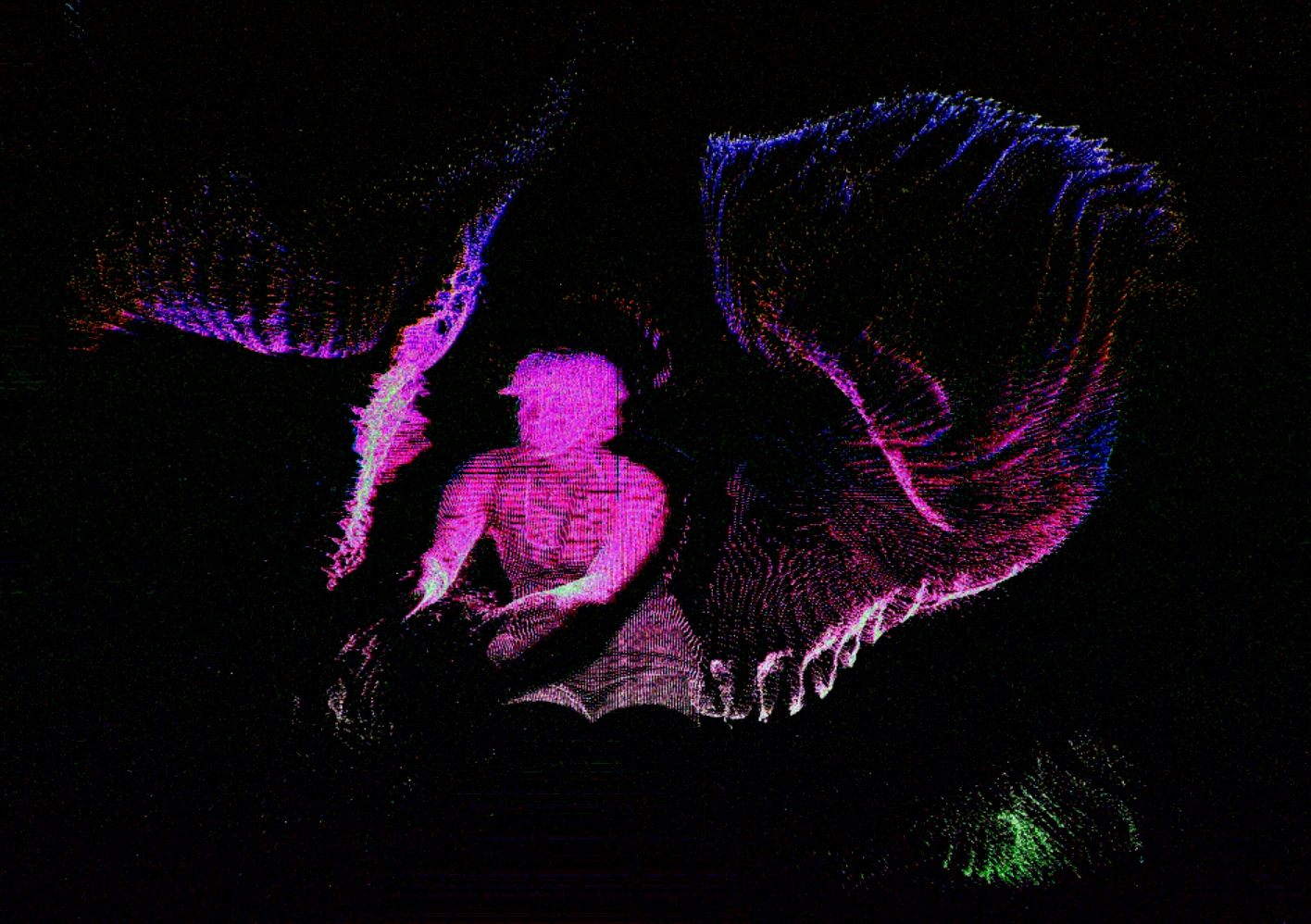
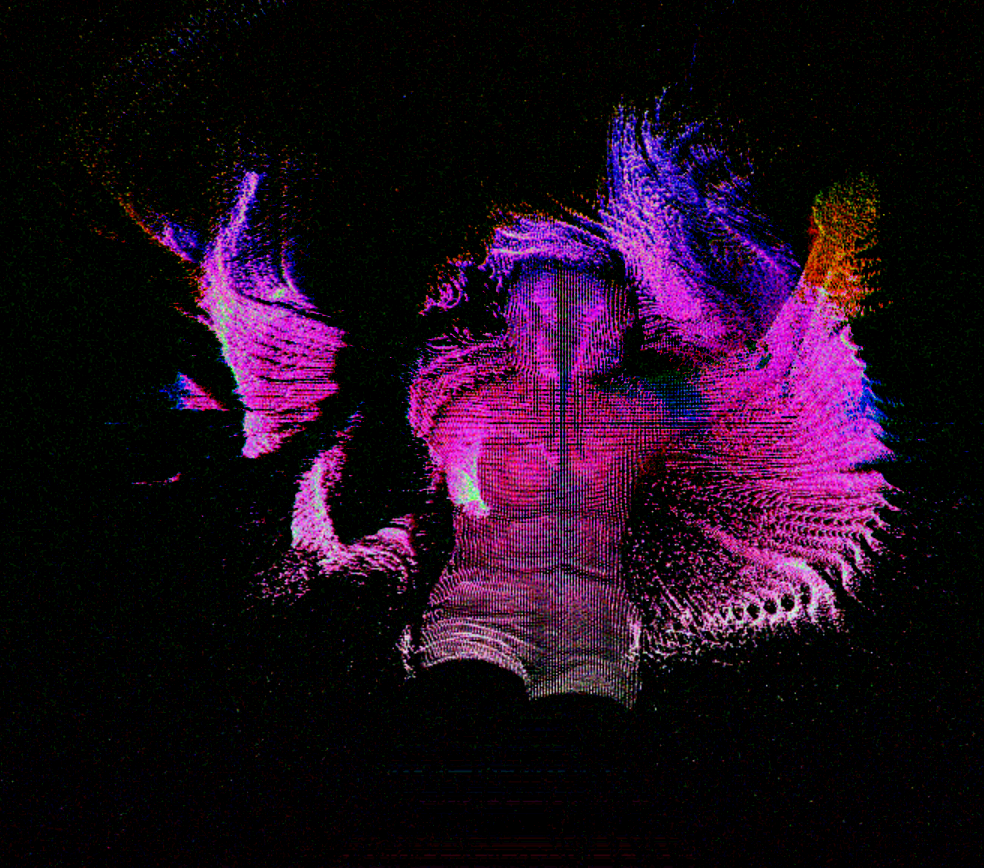
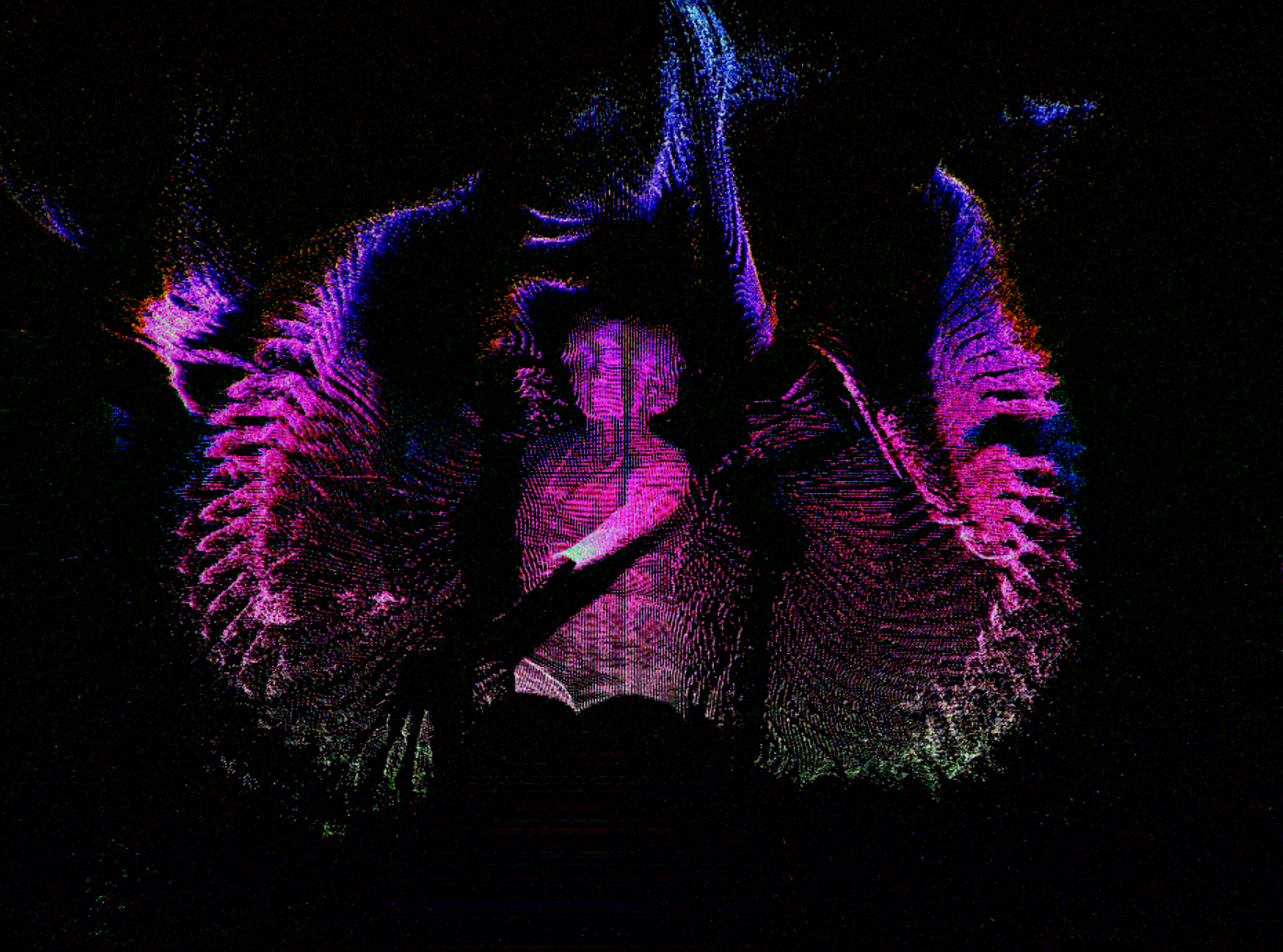
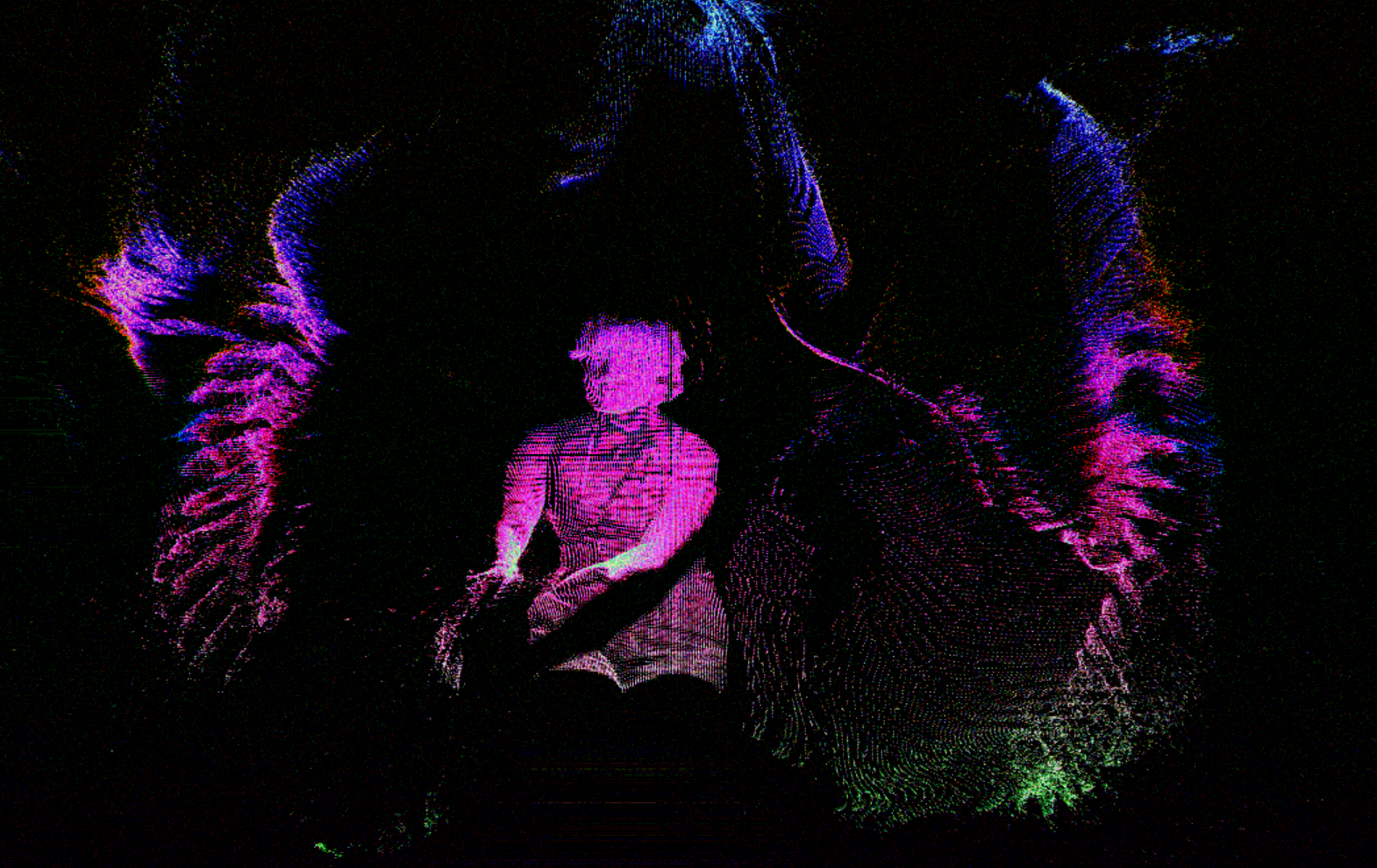
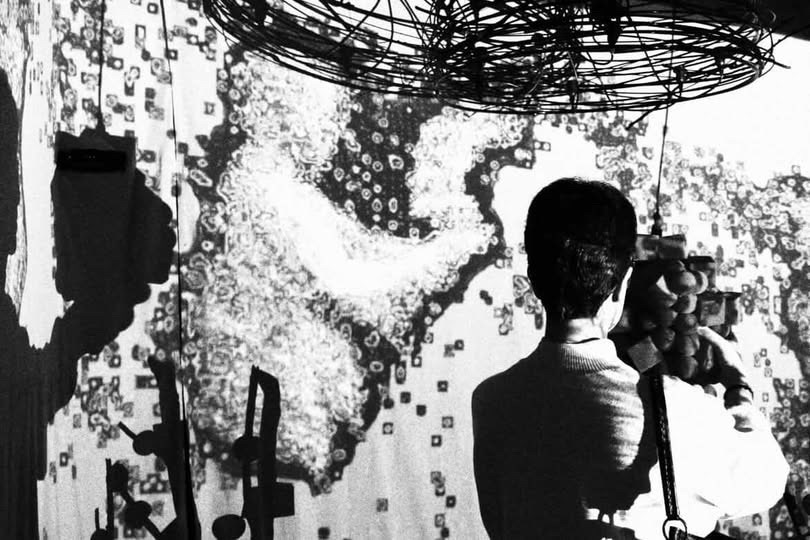
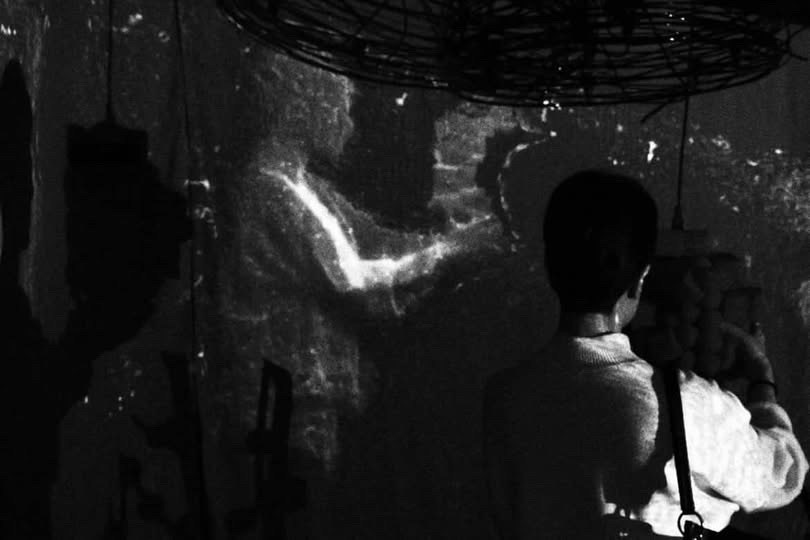
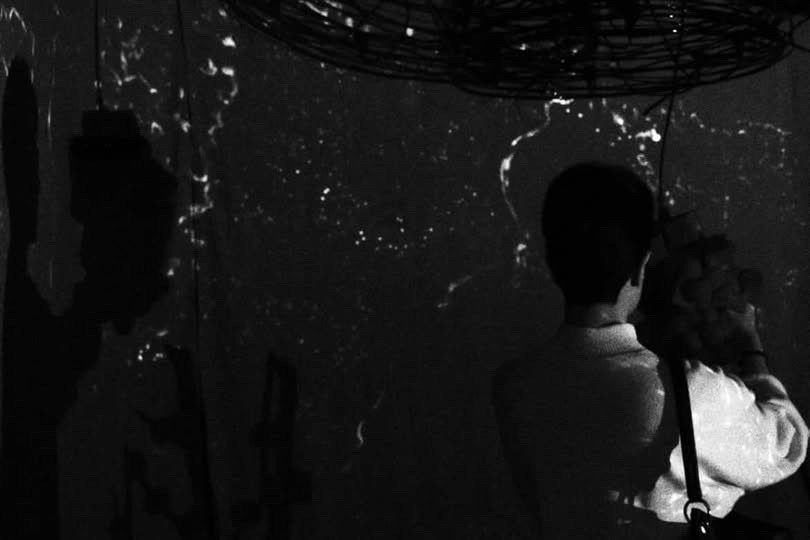
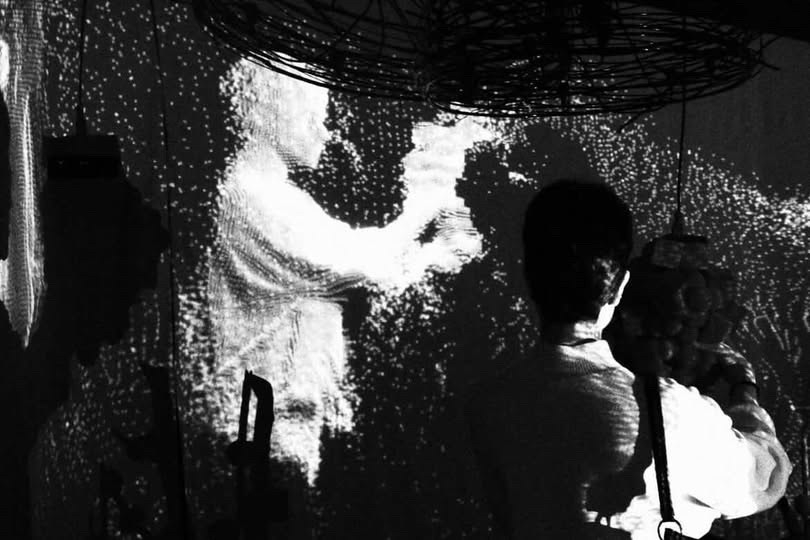
The project uses depth sensing, pressure-based interaction, and audiovisual feedback to create a space that feels responsive but never fully fixed. Sound, projected particles, and material elements shift over time, allowing interaction to unfold gradually. The installation asks how memory, agency, and meaning can emerge through embodied encounters with technology.
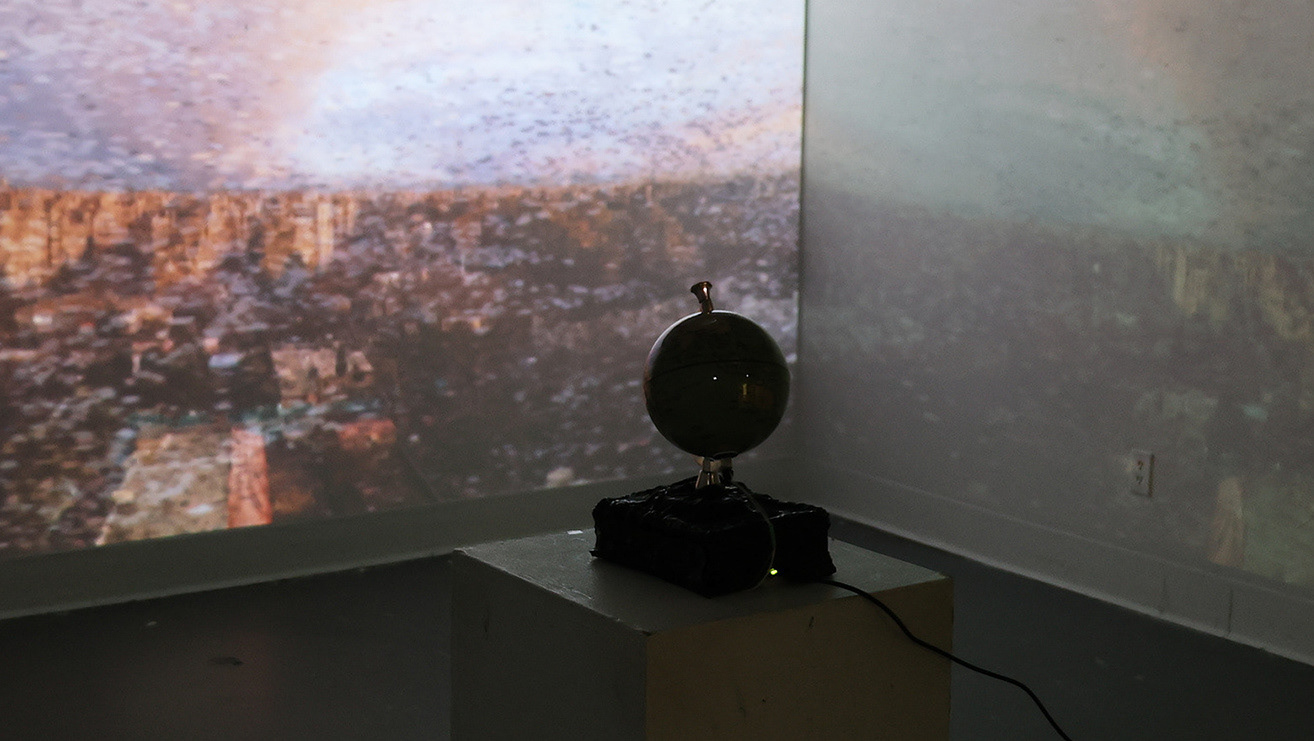
Presented as part of my MFA thesis in Digital Futures, Synaptic Echoes was exhibited at OCAD University’s Waterfront Campus in Toronto, March 26–30, 2026. It was developed as a thesis exhibition for the Master of Fine Arts in Digital Futures.
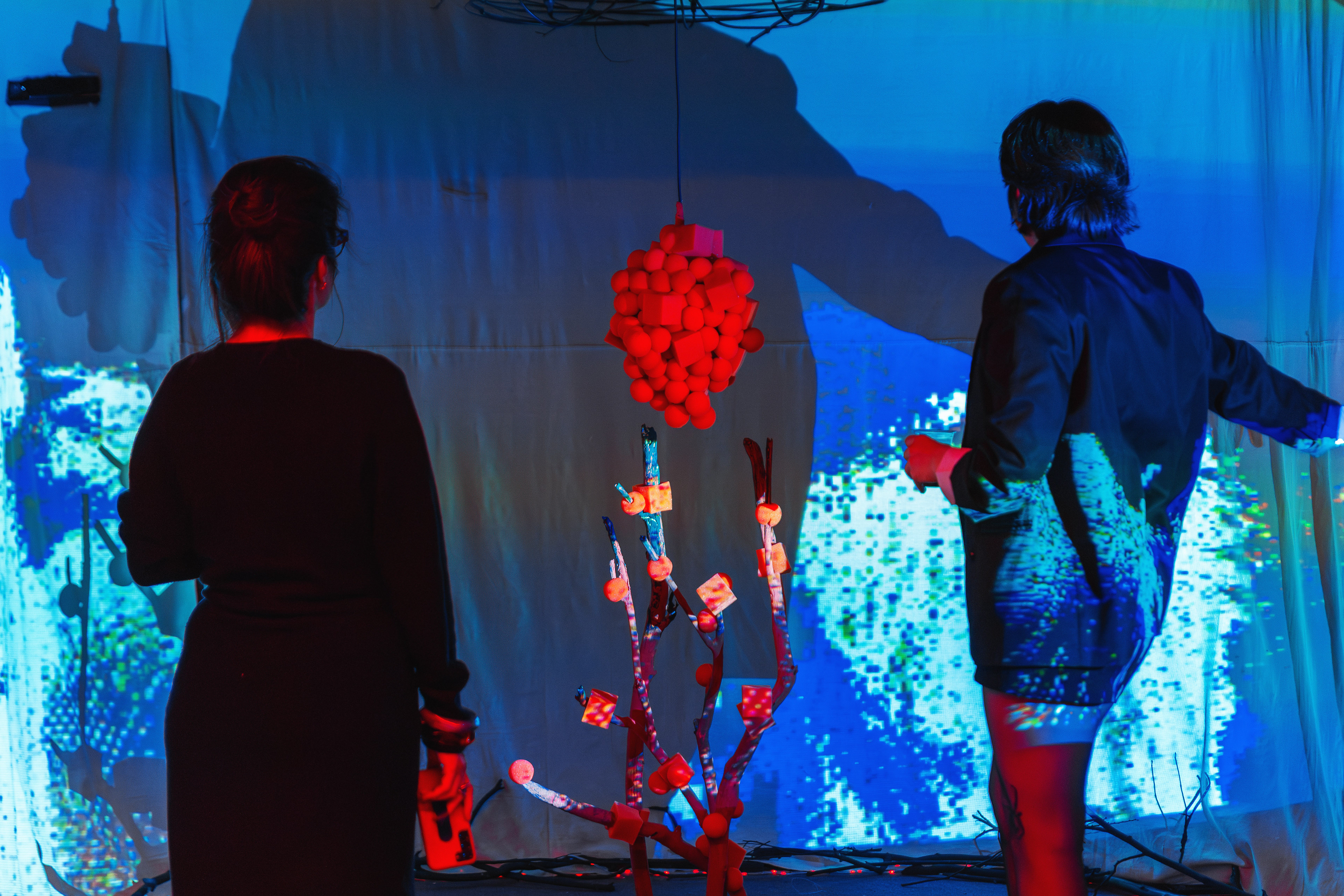
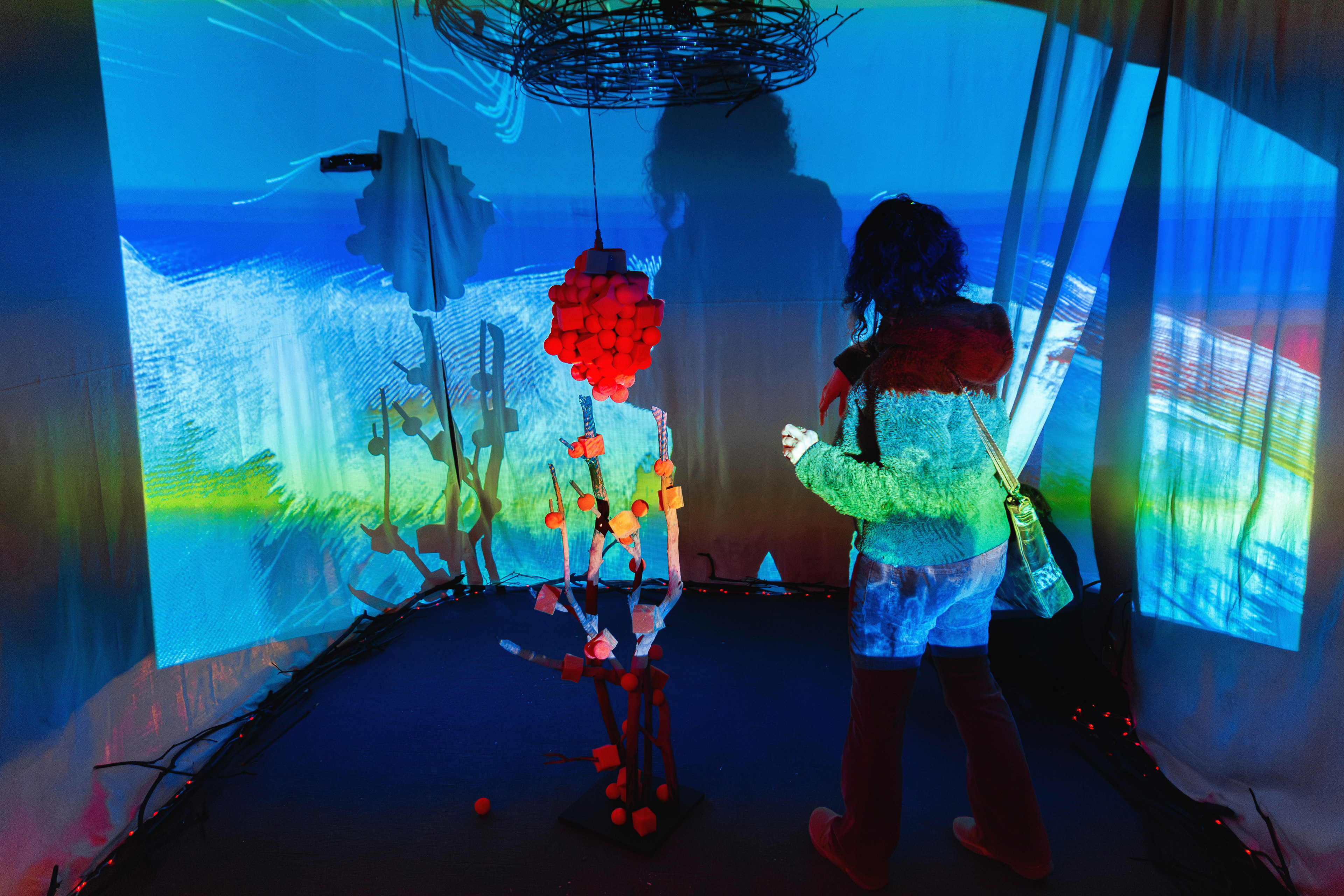
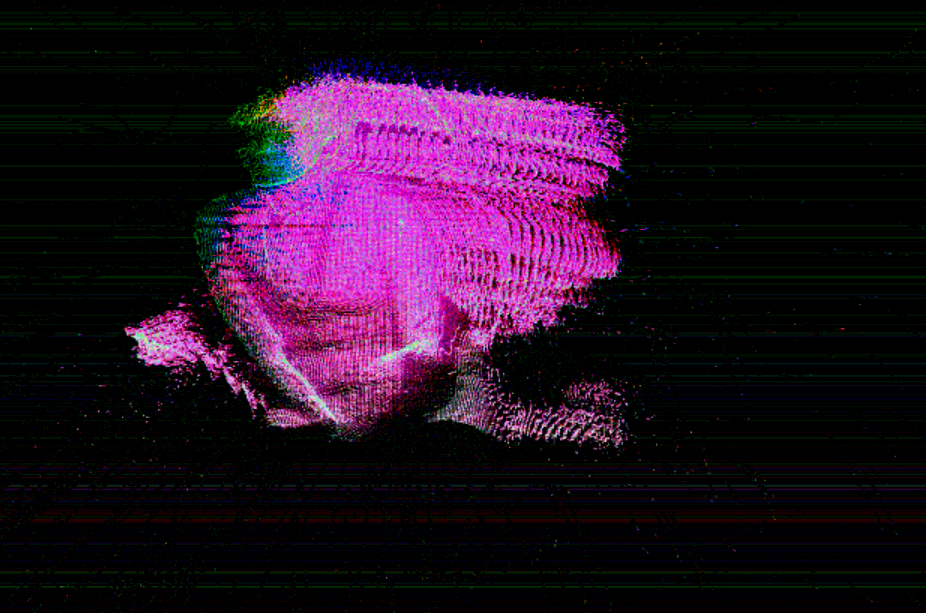
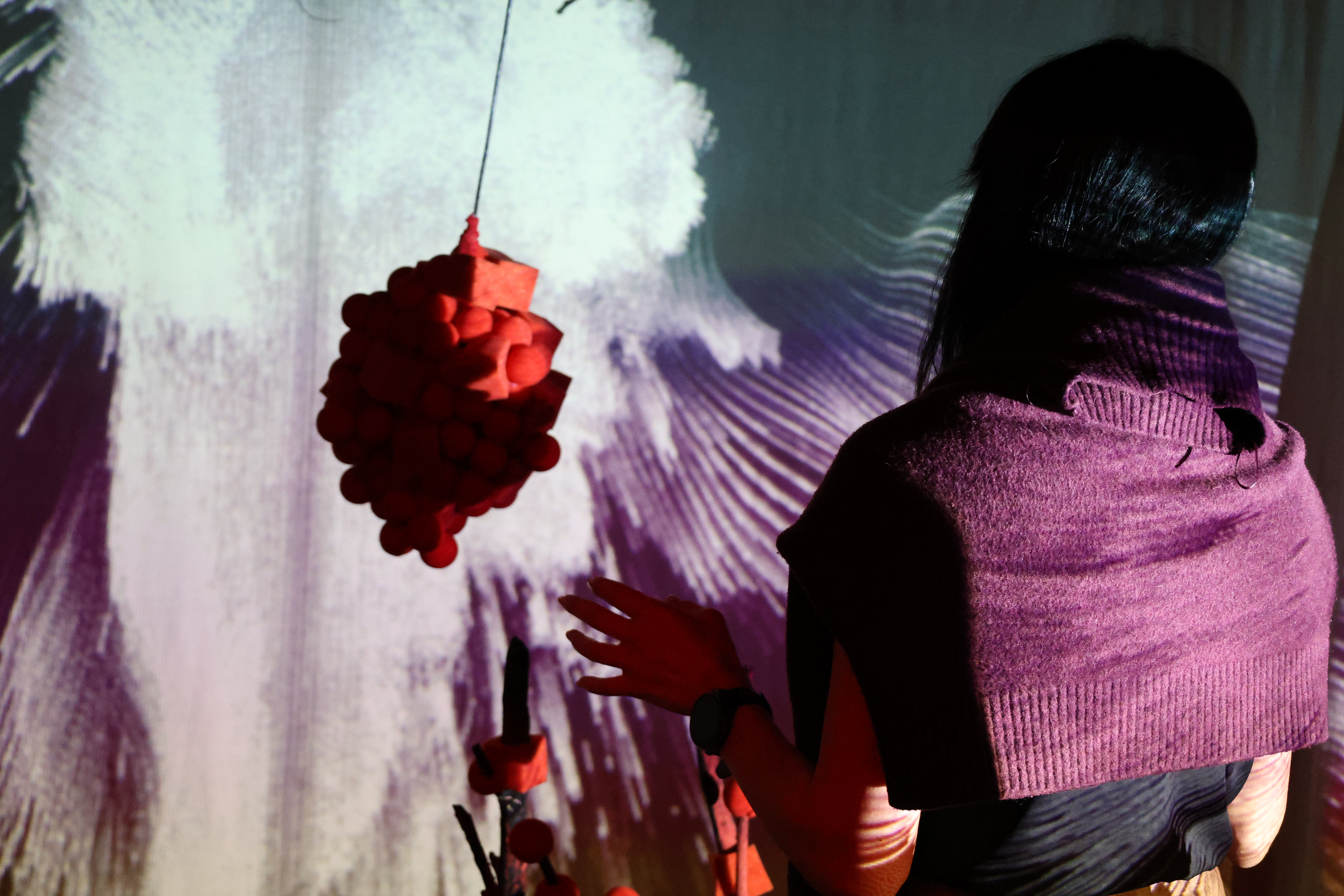
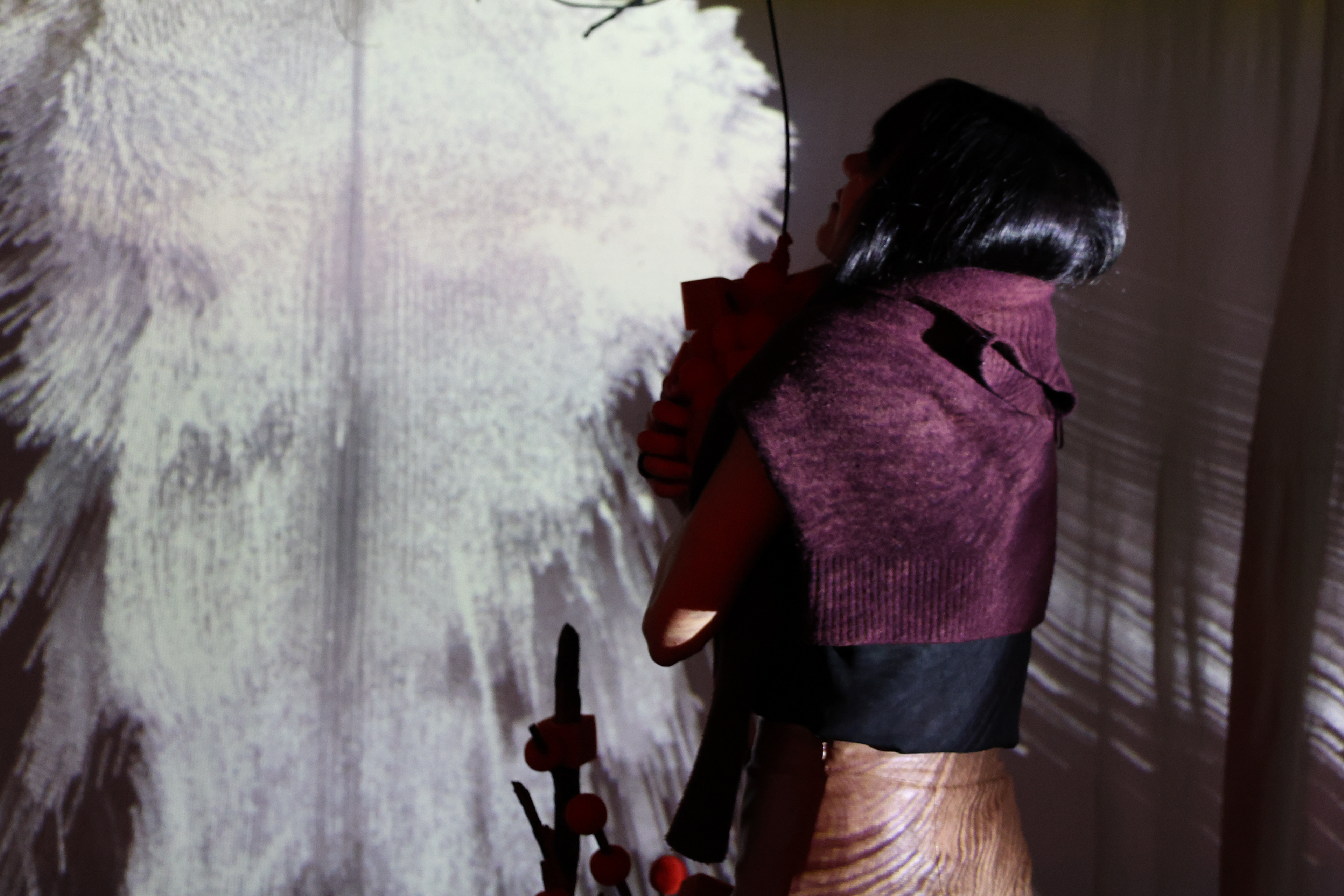
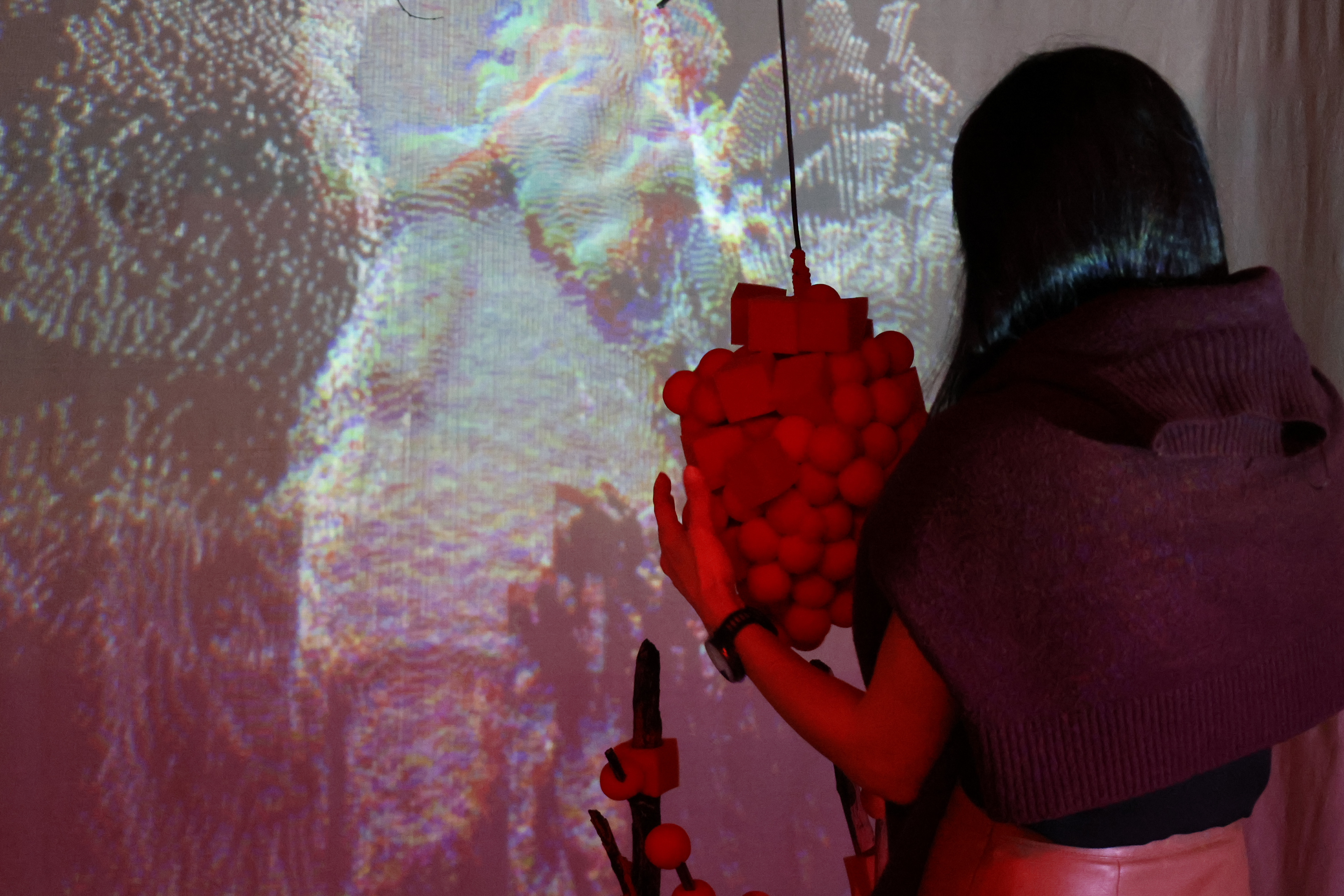
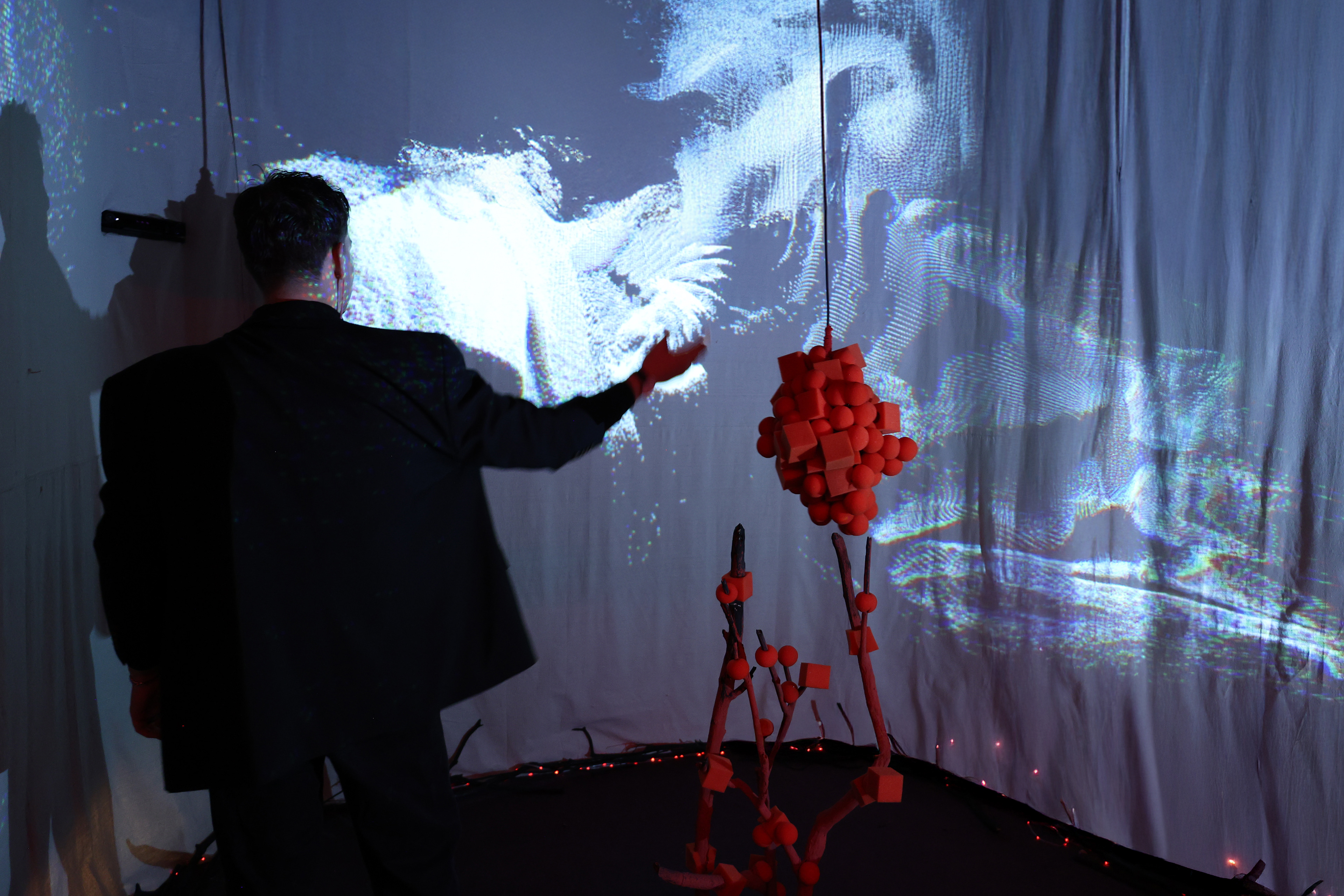
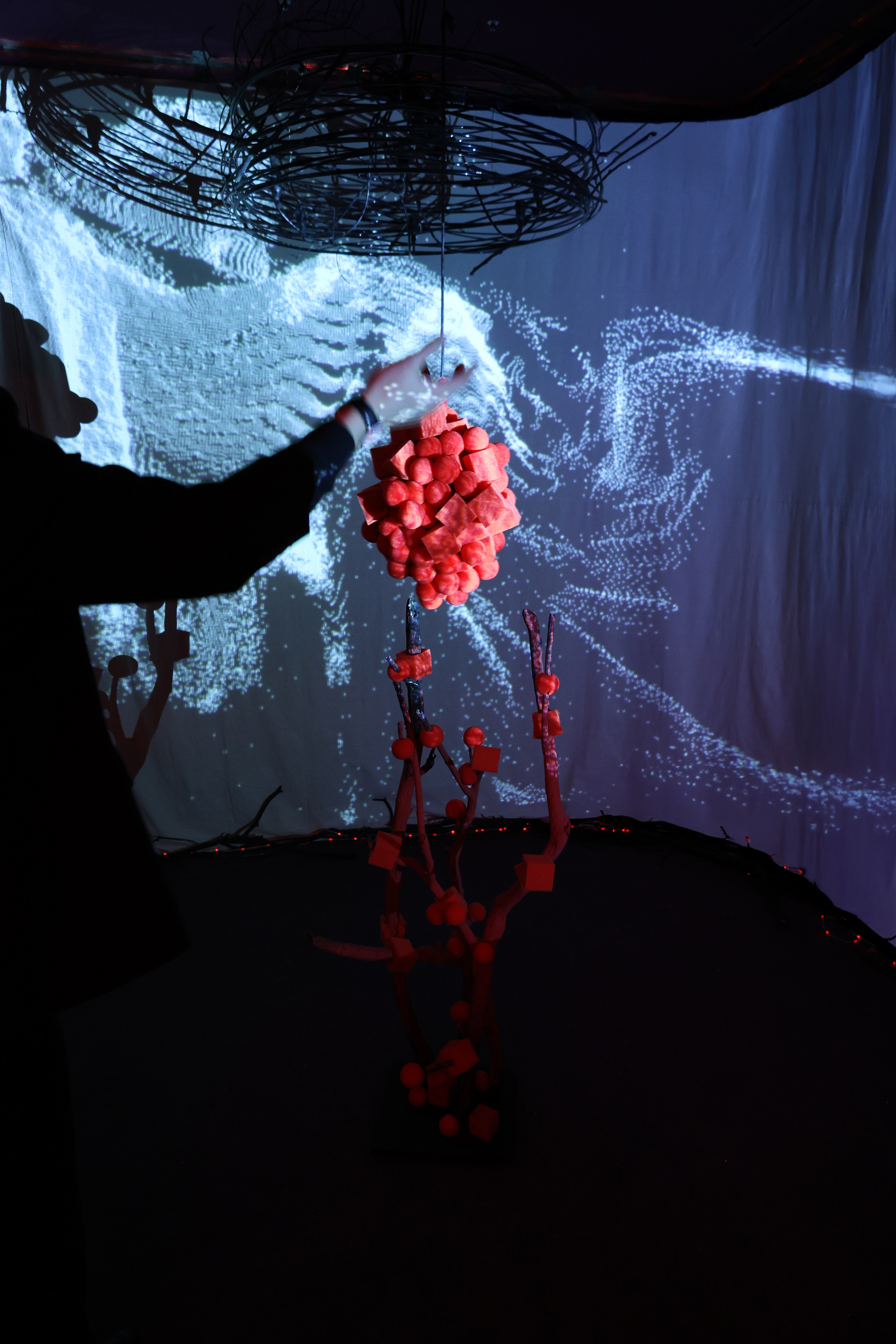
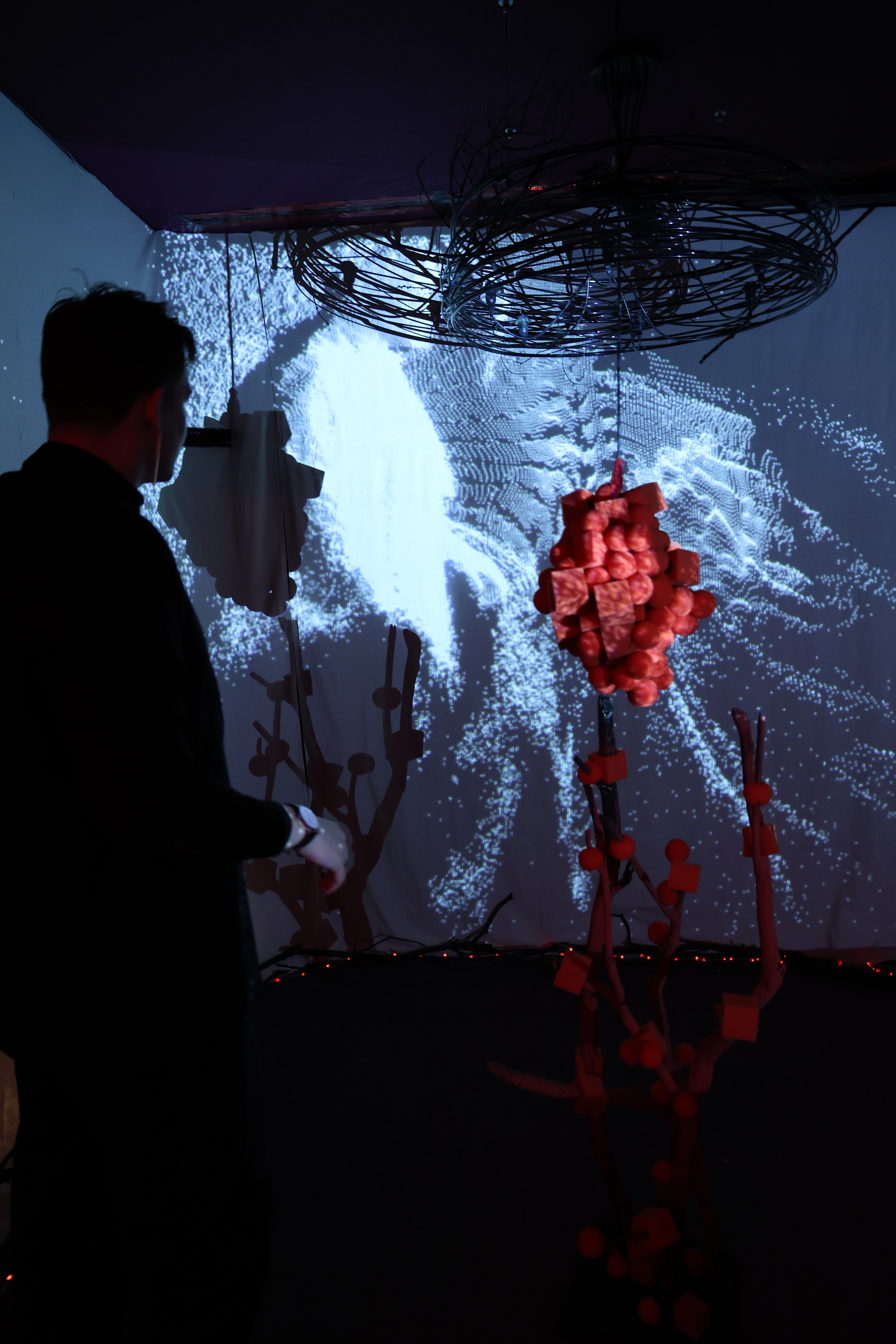
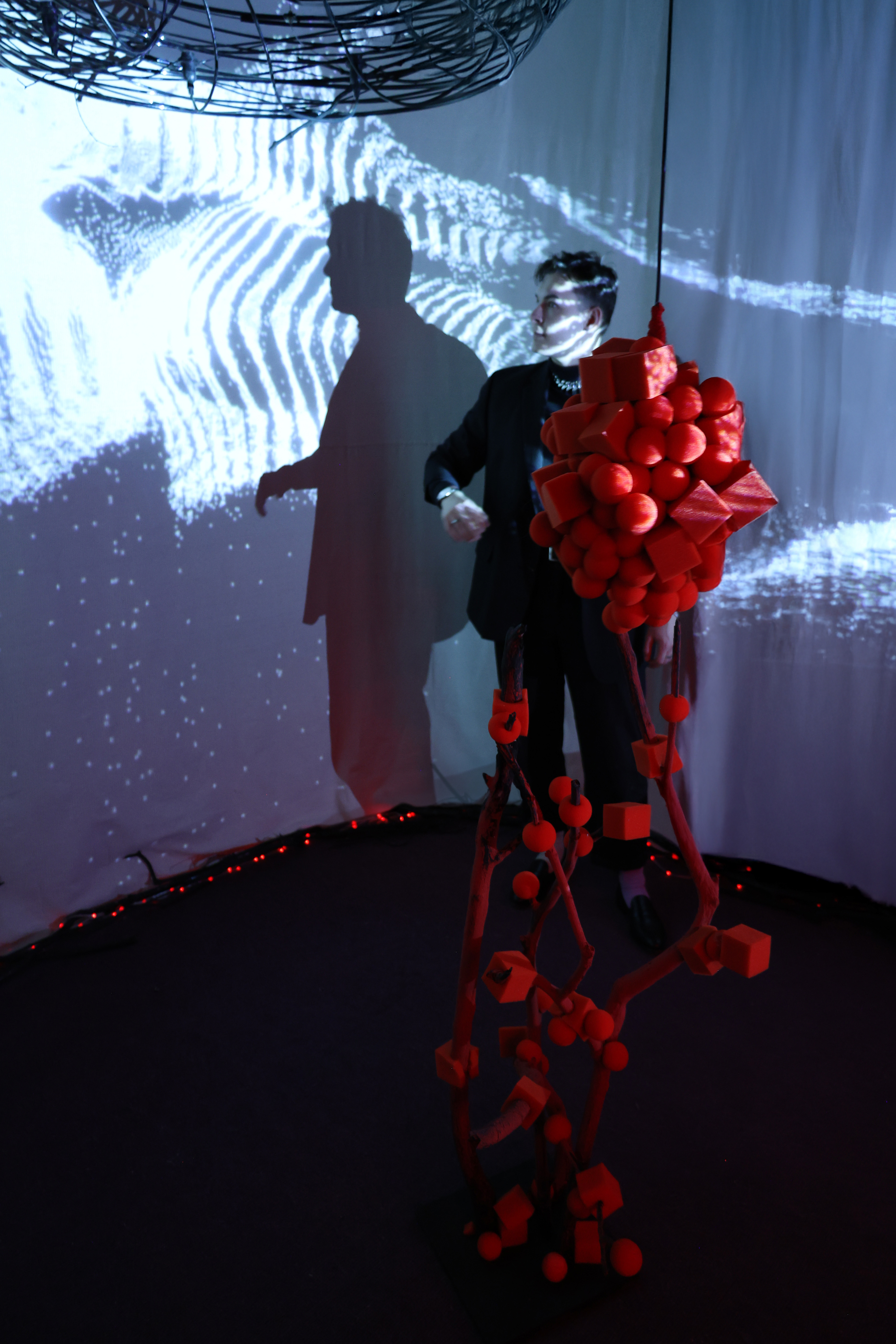
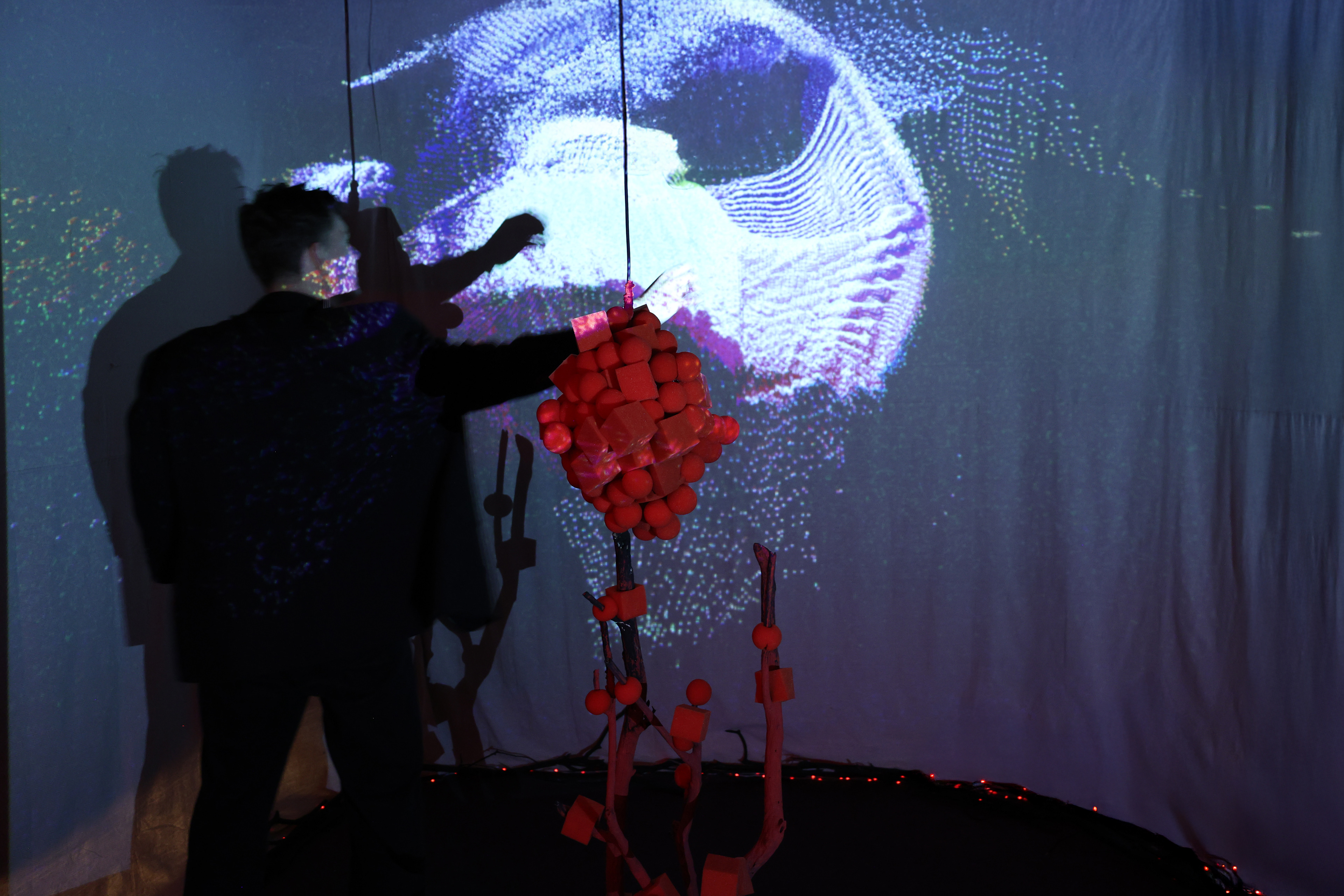
At the center of Synaptic Echoes is a tactile object that acts as the heart of the system. Built around a pressure sensor and covered with red foam cubes and soft rounded forms, it draws from the shape of a human heart while deliberately disrupting it. I wanted the installation to contain something physical that could be touched and held, rather than leaving the system entirely unseen. This object gives the work a body.
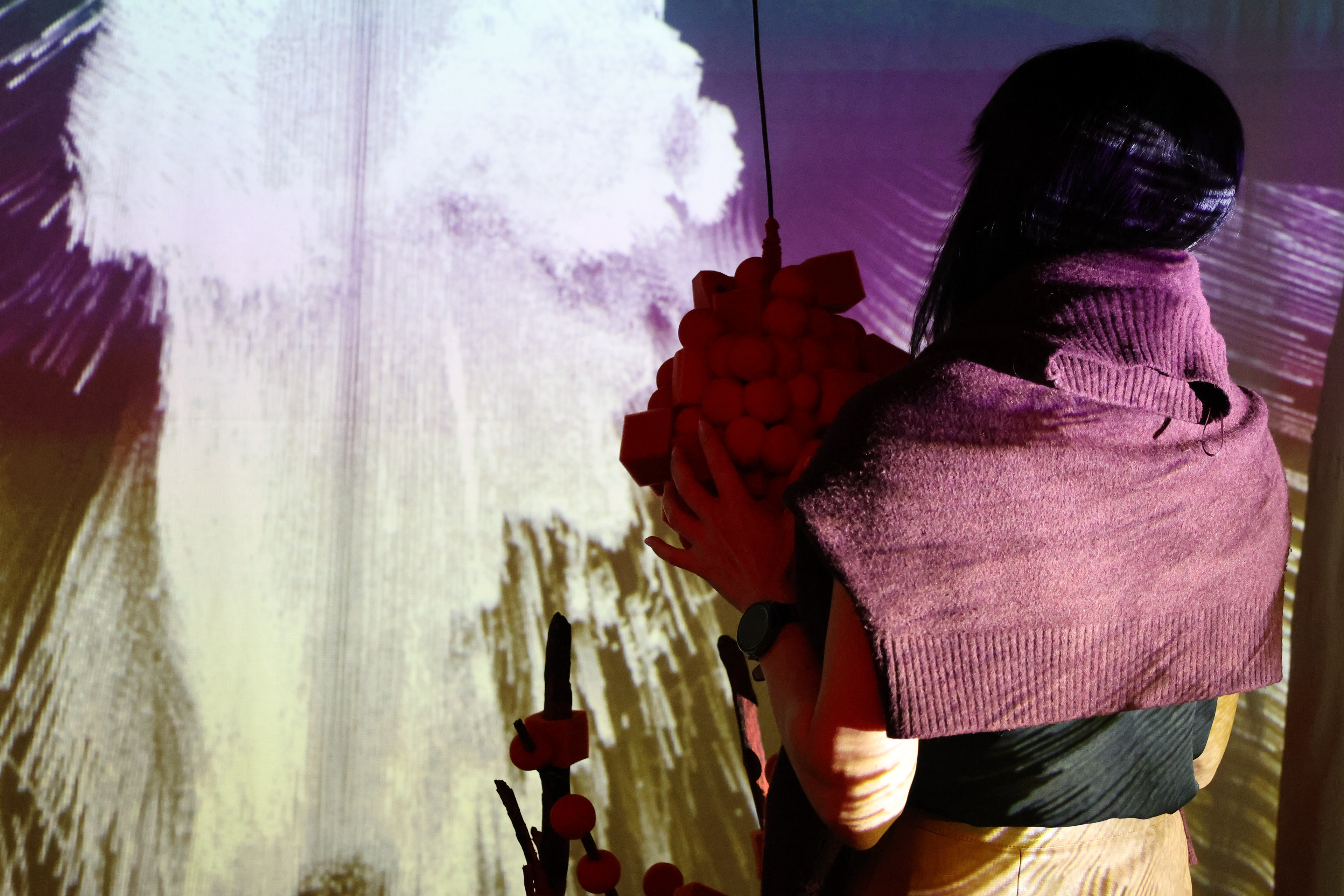
The heart invites an intimate kind of interaction. Visitors can press, hold, or hug it, and through that contact the system begins to shift. A heartbeat is triggered, lights flicker, and the visuals move into another state. The piece is meant to evoke the sensation of being inside a system, as if one were inside a body, in contact with its core. It turns interaction into something direct, tactile, and affective.
Main Concepts
Co-creation
This project treats interaction as something shared. The participant does not simply trigger an effect; the system also shapes the participant’s movement, timing, and attention. The work grows through exchange.
Memory
At the core of Synaptic Echoes is a three-layer memory model: immediate response, temporal echo, and short-term trace. These layers allow the system to react in the present while also holding onto residue from earlier actions. The thesis frames this as a way for prior interactions to persist and shape future ones.
Attunement
Rather than asking participants to learn a fixed interface, the installation invites a slower process of sensing and adjustment. Small changes in movement, distance, and touch begin to matter. The work is less about control and more about tuning into a responsive environment.
Presence
In Synaptic Echoes, presence is not just being in the room. Presence becomes something active: movement alters visuals, proximity shifts sound, and touch leaves traces that can remain after someone walks away. The thesis describes this as bodily presence understood through rhythm, tempo, and variation over time.
Exhibitions
OCAD Graduate Exhibition
Thesis exhibition, OCAD Waterfront Campus, 2026
Thesis exhibition, OCAD Waterfront Campus, 2026
OCAD Gala
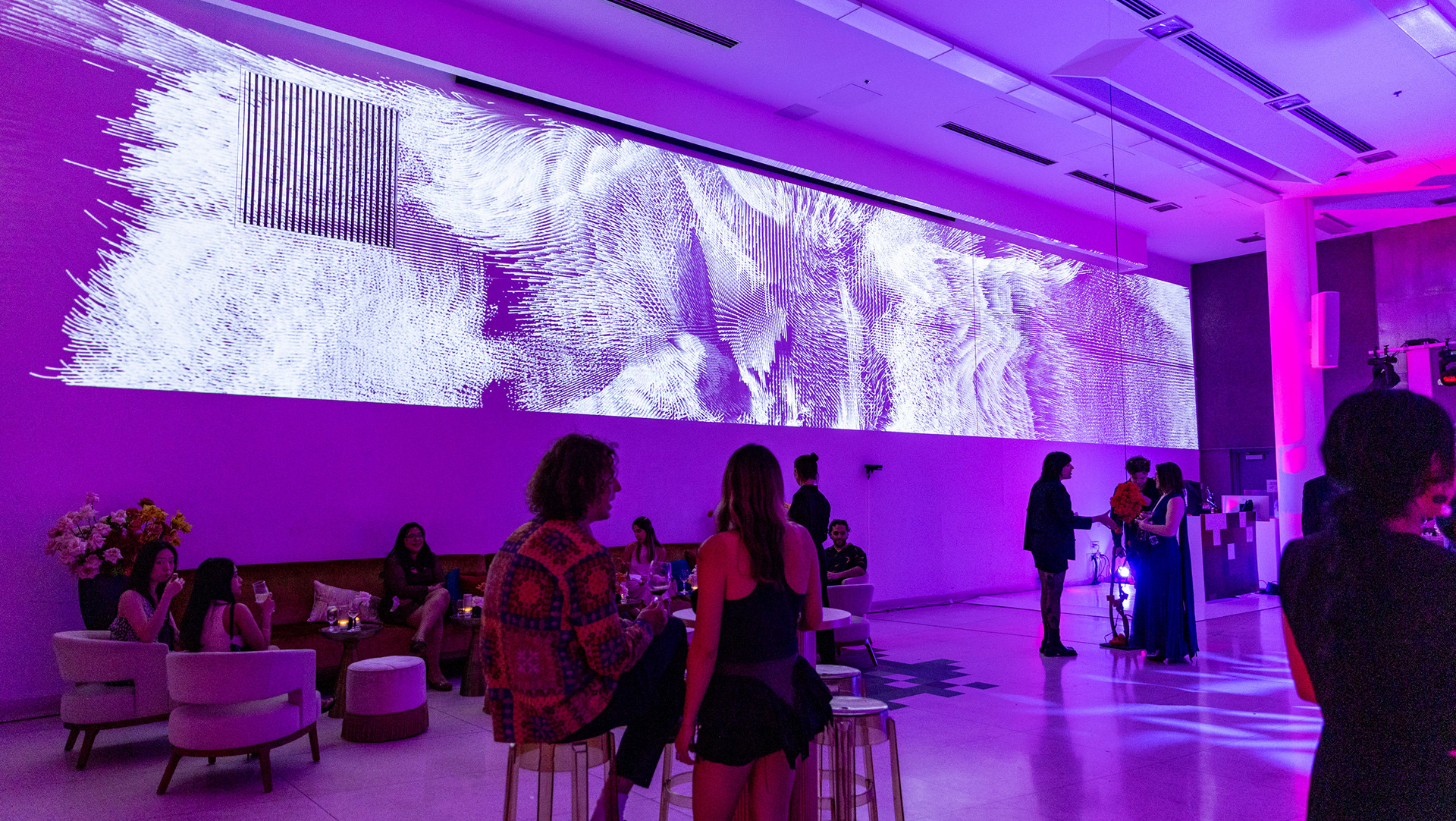
Large-scale auditorium projection, OCAD University Gala, 2026
Add a button: View Gala Documentation
Large-scale auditorium projection, OCAD University Gala, 2026
Add a button: View Gala Documentation
Live Feedback / Small World Music Centre
Live audiovisual presentation, Toronto, 2026
Live audiovisual presentation, Toronto, 2026